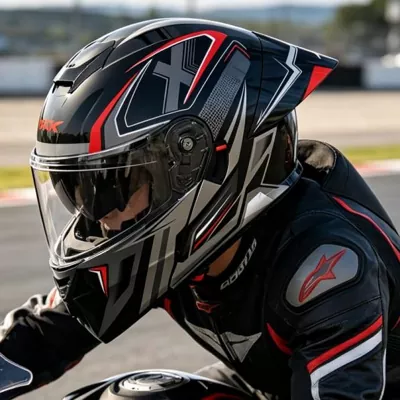
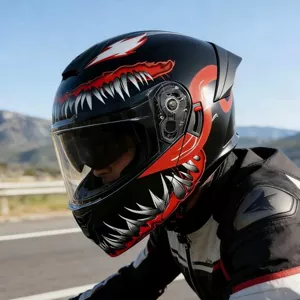
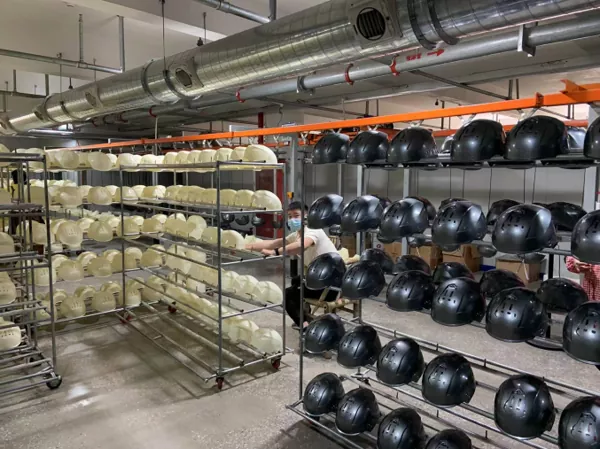
이 텍스트는 경주용 헬멧에 대한 엄격한 테스트 프로세스를 간략히 설명합니다. 모든 배치는 다양한 지점의 충격 테스트는 물론 쉘, 라이너, 바이저 및 고정 시스템의 평가를 포함하여 포괄적인 평가를 거친 후 포장하기 전에 각 개별 헬멧에 대한 수동 검사를 거칩니다. 핵심은 헬멧의 진정한 신뢰성은 외관이 아니라 눈에 보이지 않는 테스트와 품질 관리 절차에 있다는 것입니다.
헬멧 바이저의 긁힘 방지 및 김서림 방지 코팅 적용을 아웃소싱하는 대신 공장에서 자체적으로 처리합니다. 긁힘 방지 하드 코팅은 긁힘, 헤이징 및 눈부심을 줄여 바이저의 수명을 연장합니다. 김서림 방지 코팅은 표면에 단단히 접착되어야 합니다. 단순히 표면층으로 적용하는 것만으로는 불충분하고 빠른 파손으로 이어질 수 있습니다. 공장에서는 샘플링된 장치에 대해 매일 수동으로 호흡 테스트를 실시합니다. 이 방법은 시간이 많이 소요되지만 표준 이하의 배치를 조기에 감지하고 거부할 수 있습니다. 두 코팅 모두 공장에서 출고되는 모든 바이저의 표준 기능으로, 이는 장기적인 사용자 만족도와 브랜드 평판에 중요한 요소이며, 공장은 고객에게 이러한 코팅에 관한 세부 사양을 제공할 준비가 되어 있습니다.
이 기사에서는 헬멧 제조업체가 제공하는 OEM 자체 라벨 맞춤 서비스를 소개합니다. 고객은 처음부터 제품을 디자인할 필요가 없습니다. 인증된 모델 중에서 선택하기만 하면 제조업체는 맞춤형 포장, 상자 표시, 쉘 데칼, 내부 라이너 브랜딩 및 스트랩 라벨과 같은 브랜딩 세부 사항을 처리합니다.
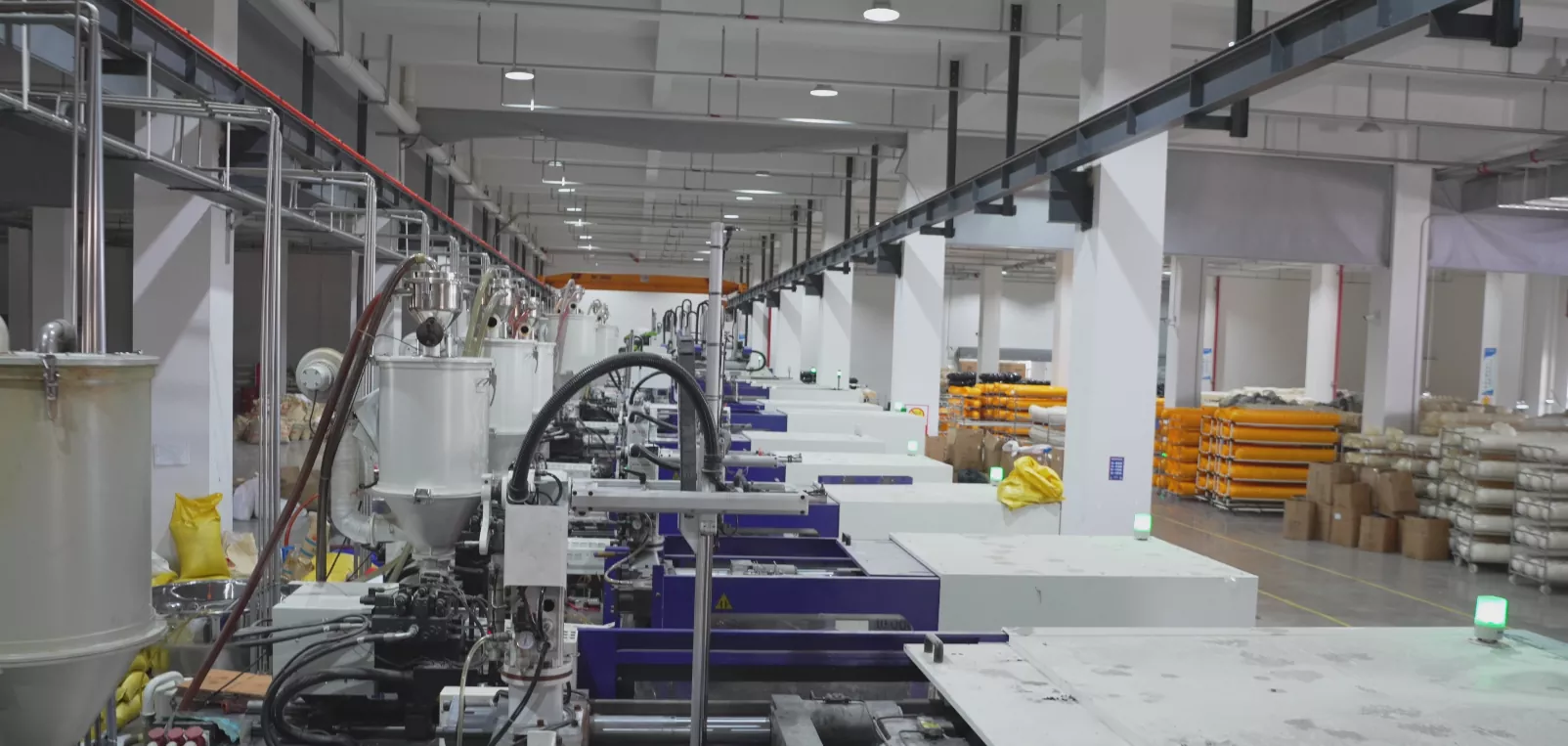
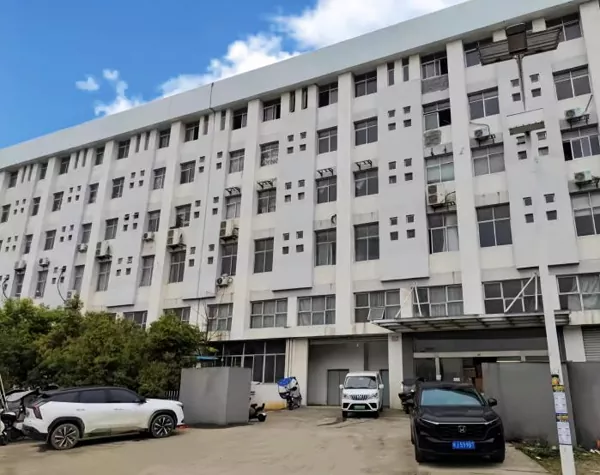
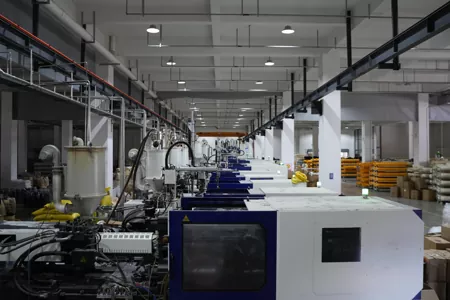
우리의 전문 헬멧 제조 공장은 맞춤형 오토바이 헬멧에 대한 증가하는 글로벌 수요를 충족하고 국제 고객을 위한 향상된 OEM 및 ODM 서비스를 제공하기 위해 핵심 생산 라인의 전체 업그레이드를 마무리했습니다. 우리는 이번 업그레이드를 생산 속도, 일관된 제품 품질, 유연한 맞춤화에 중점을 두었습니다. 이제 우리는 글로벌 유통업체, 브랜드, 소매업체의 대규모 대량 주문과 다양한 맞춤형 프로젝트에 잘 준비되어 있습니다.
오토바이 헬멧을 대량 구매할 때는 일관된 품질이 필수적입니다. 유통업체, 도매업체 및 오토바이 브랜드의 경우 헬멧의 외관뿐만 아니라 안전, 성능 및 배치 간 일관성도 중요합니다. 이것이 바로 우리가 생산 주문 전반에 걸쳐 AQL(허용 가능한 품질 수준) 검사를 사용하는 이유입니다. 헬멧이 공장을 떠나기 전에 합의된 품질 요구 사항 및 고객 사양과 비교하여 각 배치가 필수 표준을 충족하는지 확인합니다. 우리의 목표는 간단합니다. 첫 번째 배치에서 다음 배치까지 품질을 일관되게 유지하여 고객이 자신 있게 주문하고 우리와 장기적인 비즈니스를 구축할 수 있도록 하는 것입니다.


 19 2026-10
  16 2026-10
  10 2026-10
  09 2026-10
  30 2026-09
  30 2026-09